New Emergency First Response Team Program Equipment to Enhance Patient Care
March 10, 2026
10 March, 2026
|
Thunder Bay
|
By: Par: Ornge Media
THUNDER BAY, ON - Ornge, Ontario’s provider of air ambulance and critical care transport services, showcases specialized equipment being provided to First Nations and northern communities through the Emergency First Response Team program (EFRT).

The Emergency First Response Team program, supported by Ornge and operated by First Nations, includes a community led, paid, emergency first response team to respond to local health emergencies in the community. Ornge will provide EFRT teams with initial and annual training and oversight, a vehicle with transport capabilities, supplies and equipment, support with records management and data collection and responders will be paid for duty.
“Strengthening local response capacity is critical in improving outcomes for patients in remote and northern communities,” says Dr. Homer Tien, President and CEO of Ornge. “This program represents a partnership approach, providing communities with the tools and training necessary to independently respond quickly to the needs of their community while advanced care is on the way.”
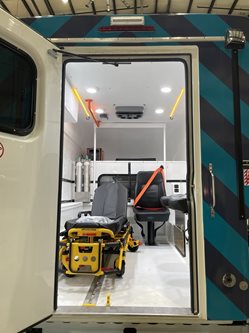
In Thunder Bay, Community Coordinators, who administer these programs locally, received a firsthand look at the emergency response truck, medical pod, and stretcher system that will support trained community responders in delivering timely care during medical emergencies.
Strengthening Community Readiness
The EFRT is designed to enhance early, culturally appropriate community‑based intervention in medical emergencies, particularly in regions where weather, geography, or distance can affect response times. The equipment on display has been selected for its durability, portability, and ability to operate in challenging environments.
The showcased assets include:
Emergency Response Truck: A purpose‑built vehicle equipped for safe, reliable transport of responders and equipment.
Medical Equipment Pod: A secure, climate‑controlled unit designed to store and protect patients, responders and medical gear in remote or harsh conditions.
Stretcher System: A lightweight but rugged stretcher setup to assist responders in safely transporting patients within the community.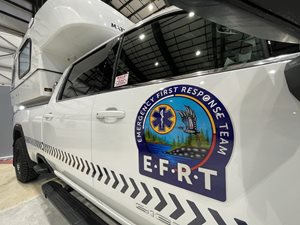
Ornge’s Administrative Role
As part of the program, Ornge provides administrative oversight and coordination, ensuring that communities have the resources, support, and standardized training required to deliver emergency first response safely and effectively. Ornge’s responsibilities include:
Program Governance: Ensuring consistent standards across participating communities and alignment with provincial emergency care protocols.
Training and Medical Oversight: Coordinating responder training and ensuring clinical materials meet provincial clinical standards.
Data Collection and Quality Assurance: Supporting communities in tracking response data to help improve service delivery and patient outcomes.
“Community-based first response fills a crucial gap in the chain of survival,” says Jeffrey Gunner, Director of the Emergency First Response Team Program at Ornge. “By supporting responder training and providing high‑quality equipment, we are empowering local teams and improving the continuum of care for residents.”
About Ornge
Ornge, a not-for-profit organization, co-ordinates all aspects of Ontario’s air ambulance system, the critical care land transport program, the authorisation of air and land ambulance transfers between hospitals and the Emergency First Response Team program.
For more information please contact:
Ornge Media Relations
media@ornge.ca
416-531-7577 (local)
1-888-229-8115 (toll free)